Solar Garden Light
Decorative poles and bollards for pathways, parks and gathering areas.
View product family →
LANDSCAPE & PUBLIC SPACE
Answer first: Solar lighting for parks and pathways works best as a coordinated layer of pedestrian-scale light. Fixture height, spacing, glare control, landscape character, tree shading and the desired nighttime atmosphere should be considered together before choosing garden, lawn or bollard products.
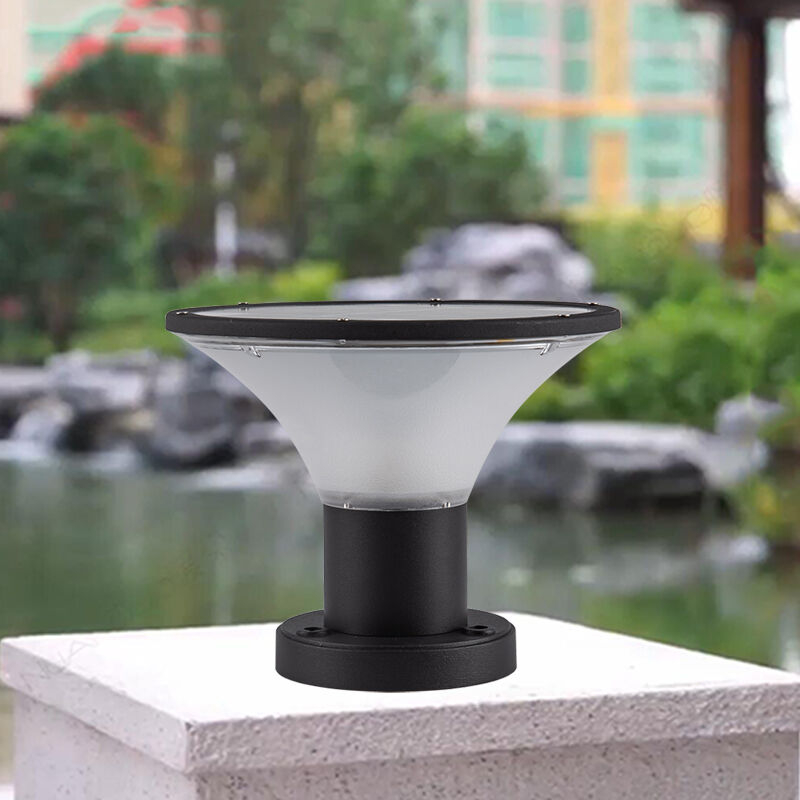
BEST-FIT PRODUCT FAMILIES
Decorative poles and bollards for pathways, parks and gathering areas.
View product family →Low-level guidance and accent lighting for planted areas and walkways.
View product family →Entrance, pillar and boundary lighting without trenching for power cables.
View product family →DESIGN PRIORITIES
These inputs control optics, energy sizing, mounting and lifecycle decisions.
PROJECT WORKFLOW
Mark primary routes, entrances, decision points and gathering areas.
Combine pedestrian, low-level and wall-mounted light where each is most useful.
Check glare, dark gaps, tree shading and solar-panel exposure.
Confirm finishes, controls, installation details and replacement access.
BUYER QUESTIONS
Garden poles and bollards provide the main pedestrian layer; lawn and wall lights can support route guidance, landscape accents and entrances.
Spacing depends on fixture output, optics, mounting height, path width and the desired uniformity. A site plan and lighting review are more reliable than a fixed universal spacing.
Heavy or prolonged shading reduces charging. Panels need a clear solar window, so fixture positions, remote panels or trimming plans may be required.
The choice should reflect safety, ecology, local standards and atmosphere. Warmer light is often preferred for comfortable landscape environments when the application permits it.
PROJECT REVIEW
Reluxlight can review the application, recommend a product architecture and identify the data required for energy and photometric validation.