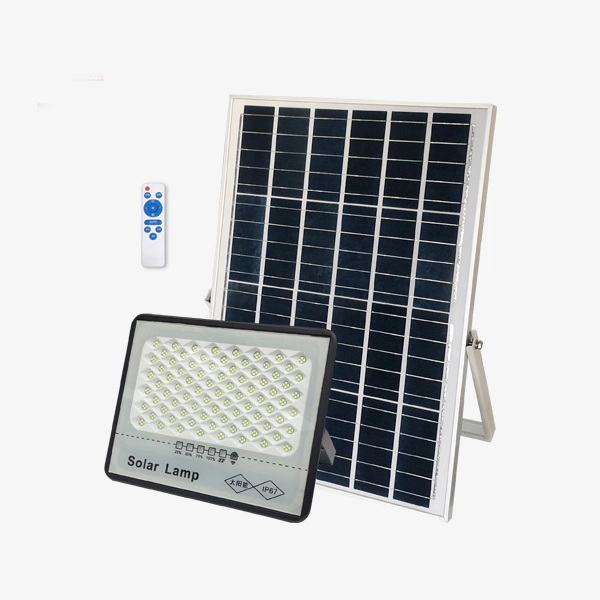
Solar Flood Light
Flexible area and facade coverage with a separately positioned solar panel.
View product family →
COMMERCIAL & INDUSTRIAL
Answer first: Commercial security solar lighting should illuminate the activity zone that cameras, staff or visitors need to see. Mounting positions, beam coverage, operating schedule, motion controls and local solar exposure determine whether a flood, wall or street-light system is appropriate.
BEST-FIT PRODUCT FAMILIES
Flexible area and facade coverage with a separately positioned solar panel.
View product family →Compact lighting for doors, pillars, boundaries and service areas.
View product family →Pole-mounted lighting for access roads, loading zones and larger open areas.
View product family →DESIGN PRIORITIES
These inputs control optics, energy sizing, mounting and lifecycle decisions.
PROJECT WORKFLOW
Identify entrances, perimeter gaps, loading zones and high-value activity areas.
Select mounting points and beam directions that reduce dark zones and glare.
Set full-output, standby and sensor behavior around actual site activity.
Review night coverage, panel exposure, mounting hardware and service access.
BUYER QUESTIONS
They can be suitable where beam coverage, mounting height, solar access and the required operating profile are correctly matched.
Sensors can preserve energy and raise output when activity is detected. The decision depends on continuous visibility needs, camera requirements and site traffic.
Place it where it receives the best practical solar exposure without frequent shading, while keeping the cable route protected and serviceable.
Lighting can improve visible detail, but the required level and spectrum should be coordinated with the camera specification and security design.
PROJECT REVIEW
Reluxlight can review the application, recommend a product architecture and identify the data required for energy and photometric validation.