
KEY TAKEAWAY
What this means for solar-lighting buyers and project teams.
Vattenfall says it has taken a final investment decision for a 254 MW battery with up to 1,000 MWh at Brunsbüttel in Germany. The company expects the battery and its 380 kV grid connection to be operational by the end of 2028. This is an external project, not a Reluxlight installation.
What the investment decision establishes
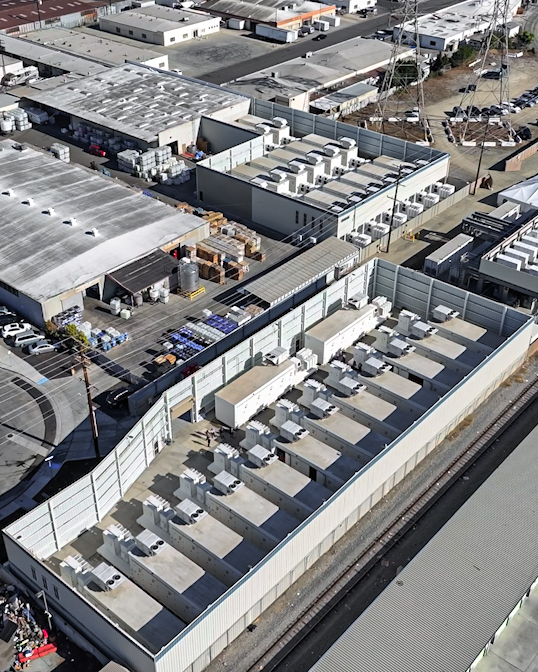
Vattenfall plans a standalone 254 MW battery with up to 1,000 MWh at the decommissioning Brunsbüttel nuclear-power-plant site, connected to 50Hertz’s 380 kV network. A final investment decision is more advanced than a concept announcement, yet delivery, construction, interconnection, commissioning and demonstrated availability remain ahead of the stated end-of-2028 target.
The figures imply roughly four hours only if 1,000 MWh is available at 254 MW within the agreed operating boundary. Usable energy, auxiliary consumption, temperature, degradation, grid limits and dispatch rules can change delivered service. Reluxlight did not develop, supply or operate Brunsbüttel.
Buyer lesson: test the duty cycle
A robust request for proposal defines power, usable energy, dispatch profile, loss boundary, controls and acceptance method. In solar lighting or off-grid systems, ask for seasonal solar assumptions, night-time load, controller losses, usable battery window, dimming, autonomy and handover tests rather than relying on an MW/MWh headline.
FREQUENTLY ASKED QUESTIONS
Questions this industry update may raise
Is the Brunsbüttel battery already in service?
No. Vattenfall reports an investment decision and expects operation by the end of 2028.
Do 254 MW and 1,000 MWh guarantee four hours in all conditions?
No. Delivered duration depends on usable energy, operating conditions and the required dispatch profile.
SOURCES