
KEY TAKEAWAY
What this means for solar-lighting buyers and project teams.
The useful lesson is not the headline capacity alone: multifamily solar carports combine generation equipment, occupied-property construction, structural coordination and a long service period. Buyers should evaluate the whole delivery system, including safe site sequencing, waterproof electrical routes, monitored performance and clear responsibility for maintaining both the PV array and the canopy structure.
What SunPower announced
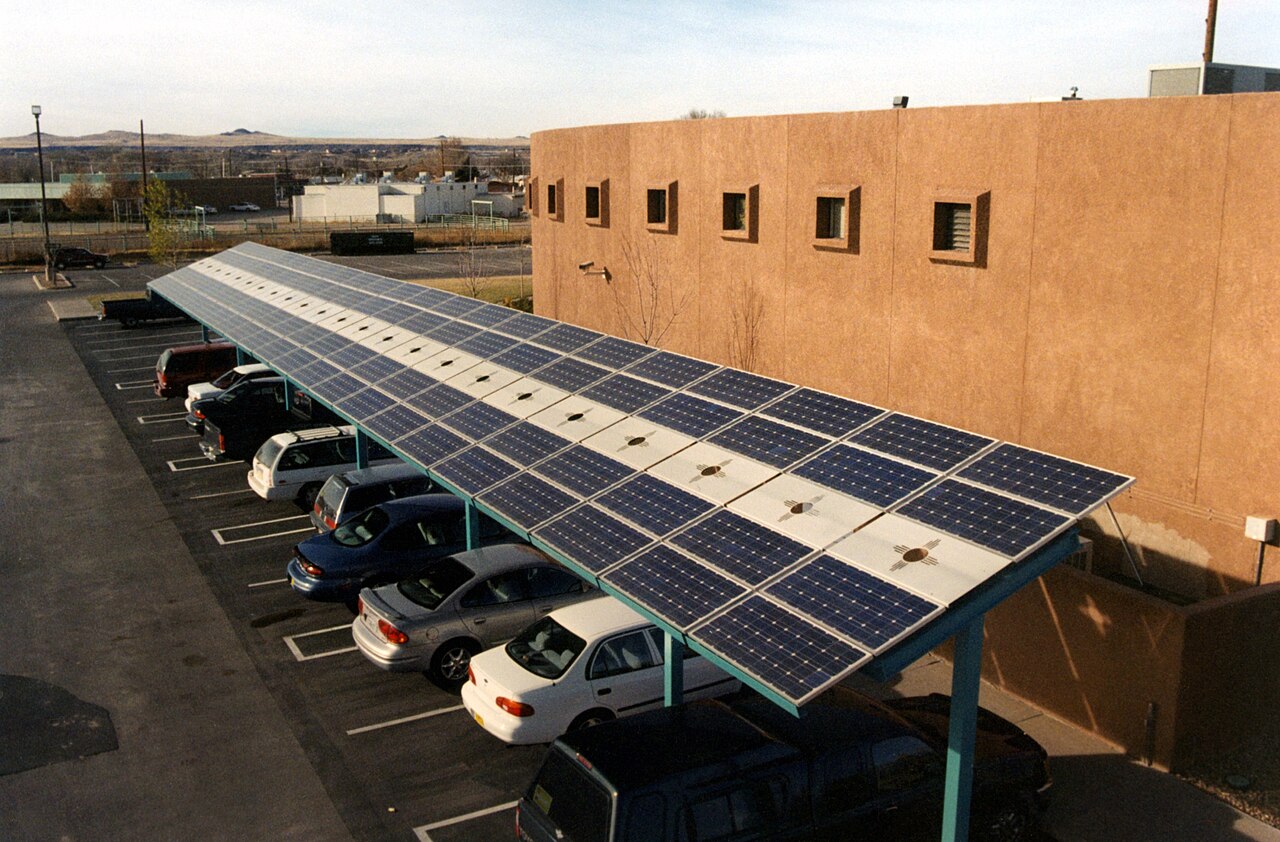
SunPower said on July 20 that it completed a solar system at the Millenium, a 330-unit residential community in Palm Desert, California. The listed company identified the installed capacity as 977 kW and described the array as a solar carport structure. Project owner PearlX expects the system to generate more than 1.6 million kWh annually and said it is supported by a 30-year performance commitment.
Those figures are company statements rather than independently verified operating results. For procurement purposes, the distinction matters: capacity is an installed design value, while annual generation is a forecast that depends on weather, soiling, temperature, equipment availability, shading and curtailment. Buyers should request the energy model and the measurement method behind any performance commitment.
Why a carport is a multi-discipline asset
A solar carport is simultaneously a power plant, a weather-exposed structure and an occupied parking facility. Its procurement scope should coordinate foundations, wind and seismic loads, corrosion protection, module layout, drainage, lighting, vehicle clearance, impact protection, cable routing and access for maintenance. A gap between the structural and electrical contracts can create change orders or leave operational responsibilities unclear.
Construction sequencing is also central at an occupied property. The plan should state how parking capacity, pedestrian routes, emergency access, noise, dust and temporary power will be managed. Commissioning should verify protective devices, earthing, insulation, monitoring, signage and any integrated lighting or EV-charging equipment before the area is returned to residents.
Use service claims as a due-diligence starting point
SunPower highlighted a project Net Promoter Score of 90. That is useful customer-feedback context, but it is not a substitute for technical acceptance data. A buyer needs issue logs, punch-list closure, test certificates, as-built drawings, monitoring access and a defined response process for faults that appear after handover.
Long commitments also require a durable operating model. Contracts should identify the entity responsible for the canopy, modules, inverters, monitoring platform, cleaning, vegetation or parking controls, and insurance. They should explain what happens if equipment becomes obsolete, the service provider changes or the property is sold.
Buyer impact: specify outcomes and ownership
For a comparable distributed-energy procurement, ask bidders to separate guaranteed values from estimates and to show the assumptions behind each estimate. Define the reference weather data, permitted degradation, availability calculation, excluded events and process for reconciling measured generation with the model.
The same approach helps public lighting and solar-infrastructure teams evaluating canopies, charging hubs or mixed-use sites. The strongest bid is not necessarily the one with the largest nominal array; it is the one that integrates civil, structural, electrical and operational work into a verifiable lifecycle plan.
FREQUENTLY ASKED QUESTIONS
Questions this industry update may raise
Is 977 kW the same as annual energy production?
No. Kilowatts describe rated power. Annual energy is measured in kilowatt-hours and depends on site conditions, losses and operating availability.
What should be included in solar-carport acceptance testing?
Include structural and drainage checks, electrical protection and earthing tests, monitoring verification, signage, lighting or charging integration, as-built documents and punch-list closure.
Can the announced annual generation be treated as guaranteed?
Not without reviewing the contract. SunPower's release reports an expected annual figure; buyers should confirm whether a formal guarantee exists and how it is measured.
SOURCES