
KEY TAKEAWAY
What this means for solar-lighting buyers and project teams.
The project is still a development opportunity, not an operating solar plant. PowerBank has secured a site lease and started the interconnection process, but permitting, financing and grid approval remain ahead. B2B buyers should use the announcement as a reminder to separate announced capacity from construction-ready capacity and to track every condition that can change cost, schedule or deliverability.
What PowerBank announced on July 20
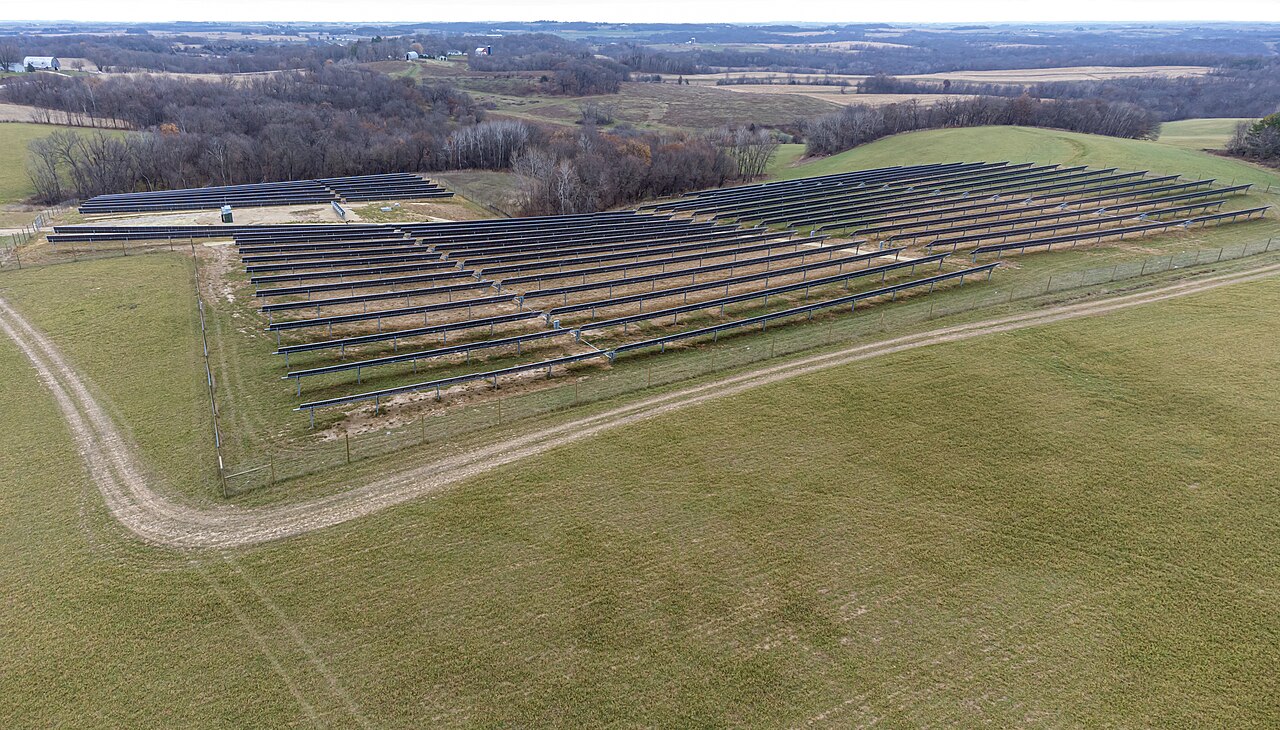
PowerBank Corporation said it executed a lease agreement for the proposed Scofield project, a 3.2 MW DC ground-mounted solar development in Broome County, New York. The company said an interconnection application is under way and that it intends to complete permitting and secure construction financing if grid approval is obtained.
PowerBank expects the project to operate as community solar and to be eligible for incentives under NYSERDA's NY-Sun program. It also described the scheme as a relocation and redesign of the previously announced Boyle Road project. These are forward-looking company statements, so buyers and partners should verify the final site, programme eligibility, interconnection result and approved design before relying on the announced configuration.
A site lease is only the first bankability gate
Land control allows development work to proceed, but it does not prove that the full capacity can connect economically. The interconnection study may identify export limits, network upgrades, protection requirements or a different energisation schedule. Environmental review, zoning, access, drainage and construction logistics can also reshape the layout.
A disciplined development register should therefore assign a status, owner and evidence document to each condition. The register needs to distinguish submitted applications from approvals, preliminary cost allowances from utility quotations, and target dates from committed dates. This prevents a headline capacity figure from flowing into procurement or sales forecasts without the required caveats.
Community-solar delivery adds customer obligations
NYSERDA explains that community-solar projects generate on behalf of multiple customers, who receive bill credits for their share of the electricity produced. That structure connects physical asset performance to subscription administration, utility data and customer communications. An operational plan needs both plant-level controls and accurate allocation records.
Project teams should define who recruits and supports subscribers, how savings statements are presented, how vacancies or customer churn are handled and how generation data is reconciled with utility credits. These functions may sit outside the EPC contract, but failures can still affect project revenue and buyer confidence.
Buyer impact: require a milestone evidence pack
Before committing equipment, finance or an offtake arrangement, request the executed land document, interconnection status, permitting matrix, incentive eligibility evidence, single-line diagram, energy model, civil constraints, construction budget and financing conditions. The pack should identify which items are final and which remain assumptions.
This milestone discipline also applies to off-grid solar and public-lighting programmes. A project is procurement-ready only when the site, permissions, electrical interface, performance basis and funding path are sufficiently defined for suppliers to price the same scope and for the owner to manage change transparently.
FREQUENTLY ASKED QUESTIONS
Questions this industry update may raise
Is the Scofield project already under construction?
The July 20 release says the lease is executed and the interconnection application is under way. It also says permitting and financing remain to be completed after interconnection approval.
What does community solar provide to customers?
According to NYSERDA, multiple customers can receive utility-bill credits tied to their share of electricity generated by a community-solar project.
What should buyers verify first?
Verify land control, interconnection status, permitting, incentive eligibility, final design capacity, construction budget and financing conditions before treating the project as deliverable.
SOURCES