
KEY TAKEAWAY
What this means for solar-lighting buyers and project teams.
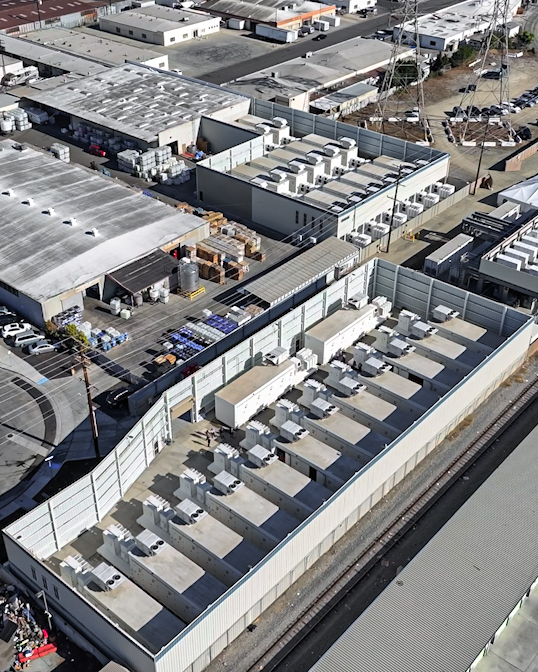
California has passed 21 GW of grid-connected energy storage, according to recent industry reporting. The figure spans utility-scale and distributed resources, and it reflects the growing role of batteries in moving solar energy to the hours when it is needed. For autonomous lighting and remote-power buyers, the useful lesson is practical: battery capacity only creates dependable service when the energy balance, controls, operating limits and maintenance plan are designed together.
What the 21 GW milestone signals
Solar generation and storage are increasingly planned as complementary assets. Storage can absorb energy at one time and release it at another, helping a power system manage changing demand and variable generation. California's reported total is a market-scale indicator, not a performance rating for any individual battery installation.
The milestone covers very different equipment, duty cycles and ownership models. A grid battery may be designed for market dispatch, resilience, network support or local backup. Buyers should therefore avoid treating a large regional capacity total as evidence that a particular chemistry, duration or control scheme will suit their own site.
Translate storage scale into a design brief
A battery nameplate in kilowatt-hours does not by itself prove night-time service. The design brief should state the load profile, seasonal solar resource, charging window, usable state-of-charge range, controller consumption, temperature conditions, expected autonomy and the behaviour required when energy is scarce.
For a solar-lighting programme, this means documenting operating hours, dimming steps, low-voltage protection and recovery priority after several cloudy days. The controller should make those choices repeatable in the field, while monitoring and alarms should make a declining battery or failed luminaire visible before a safety or service issue develops.
Buyer impact: specify service and evidence
Ask suppliers to state usable energy at the defined duty cycle, minimum delivered power, warranty boundary, charge and discharge limits, thermal-management assumptions, communications dependencies and the acceptance test. The same request should identify what data remains available if a network connection is lost and who can change operating parameters.
California's storage total is a useful signal that batteries and controls are now core infrastructure. The procurement decision for a smaller autonomous system should still rest on the service it must deliver at the actual location, backed by a transparent calculation, documented commissioning and a support plan.
FREQUENTLY ASKED QUESTIONS
Questions this industry update may raise
Does 21 GW describe how long California's storage can operate?
No. Gigawatts describe power. Usable energy and duration must be specified separately for each storage asset.
Can a battery capacity figure prove solar-lighting autonomy?
No. Autonomy depends on the lighting load, solar resource, controller settings, battery operating range, temperature and maintenance assumptions.
What should a buyer request from a supplier?
Request the energy-balance calculation, controller profile, usable-energy boundary, commissioning record, alarms and service responsibilities.
SOURCES