
KEY TAKEAWAY
What this means for solar-lighting buyers and project teams.
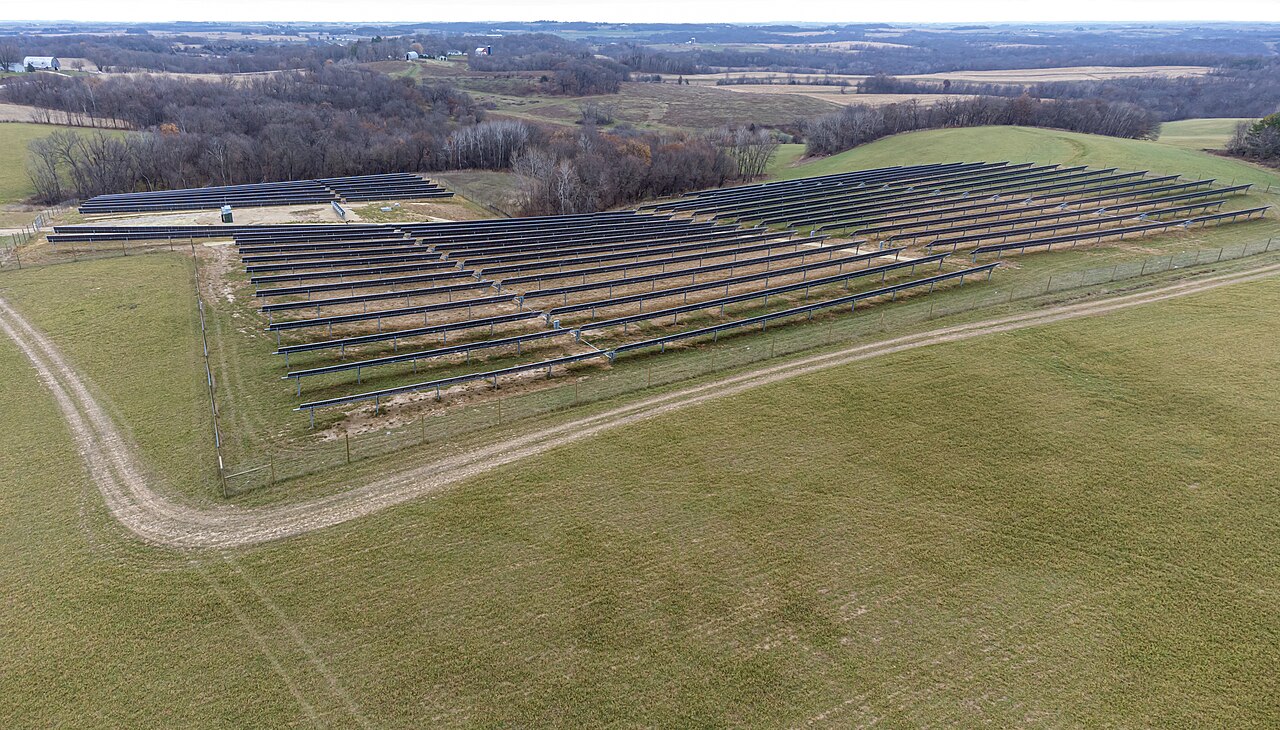
Recent reporting describes a renewable microgrid installed as the primary power source at a remote Australian cattle station. The project is relevant to off-grid infrastructure because it places generation, batteries, controls and service logistics in the same operating environment. It is not a Reluxlight project or a universal design template; its value is as a reminder to define the required service before selecting autonomous equipment.
Why a remote primary-power project matters
At a remote site, electricity supply is not only an equipment question. Fuel logistics, weather, access, communications, spare parts and maintenance capability all shape whether a system can deliver its intended service. A renewable microgrid can reduce dependence on routine conventional generation, but it also increases the importance of matching the control strategy and storage reserve to real operating conditions.
The reported cattle-station installation is a concrete off-grid example, not proof that every rural facility should use the same architecture. Site load, solar resource, generator role, seasonal work pattern, safety requirements and technician access must be established before capacity figures or product choices are compared.
Start with the load and operating priorities
A sound remote-power brief separates essential loads from loads that can be deferred. It states when each load operates, its starting and running demand, acceptable interruptions and the recovery sequence after low solar input. This allows designers to size generation, storage and backup against a defined operating case instead of an optimistic average.
For autonomous lighting, the equivalent brief identifies the road, perimeter or public-space lighting duty; nightly schedule; dimming profile; required autonomy; local shading; and the priority of safety lighting when stored energy is limited. A controller profile should implement these requirements predictably rather than leaving them as informal site adjustments.
Buyer impact: make remote service part of the specification
Remote systems need a clear commissioning record, communications plan and fault-response process. Buyers should request final settings, battery limits, alarm thresholds, firmware versions, spare-parts scope, remote-access roles and the service boundary between equipment suppliers and the installer. They should also test how the system behaves during lost communications, low battery and restart conditions.
The Australian microgrid is a useful prompt for disciplined off-grid procurement. Reliable service comes from a complete system and a measured operating plan, not from a solar-panel or battery headline alone. Reluxlight was not involved in the project.
FREQUENTLY ASKED QUESTIONS
Questions this industry update may raise
Is this Australian microgrid a Reluxlight project?
No. It is an external industry project used here only as an off-grid planning reference.
What should be defined before sizing an off-grid system?
Define essential and deferrable loads, operating times, solar resource, required autonomy, backup role, access constraints and maintenance capability.
Why are controls important for solar lighting?
Controls apply the lighting schedule, dimming and battery-protection rules consistently, and can report faults before service is affected.
SOURCES